
Build an approval‑ready credit profile
Understand what’s driving your credit decisions, identify items that may be unfair or inaccurate, and take a structured next step toward stronger approvals and better terms.
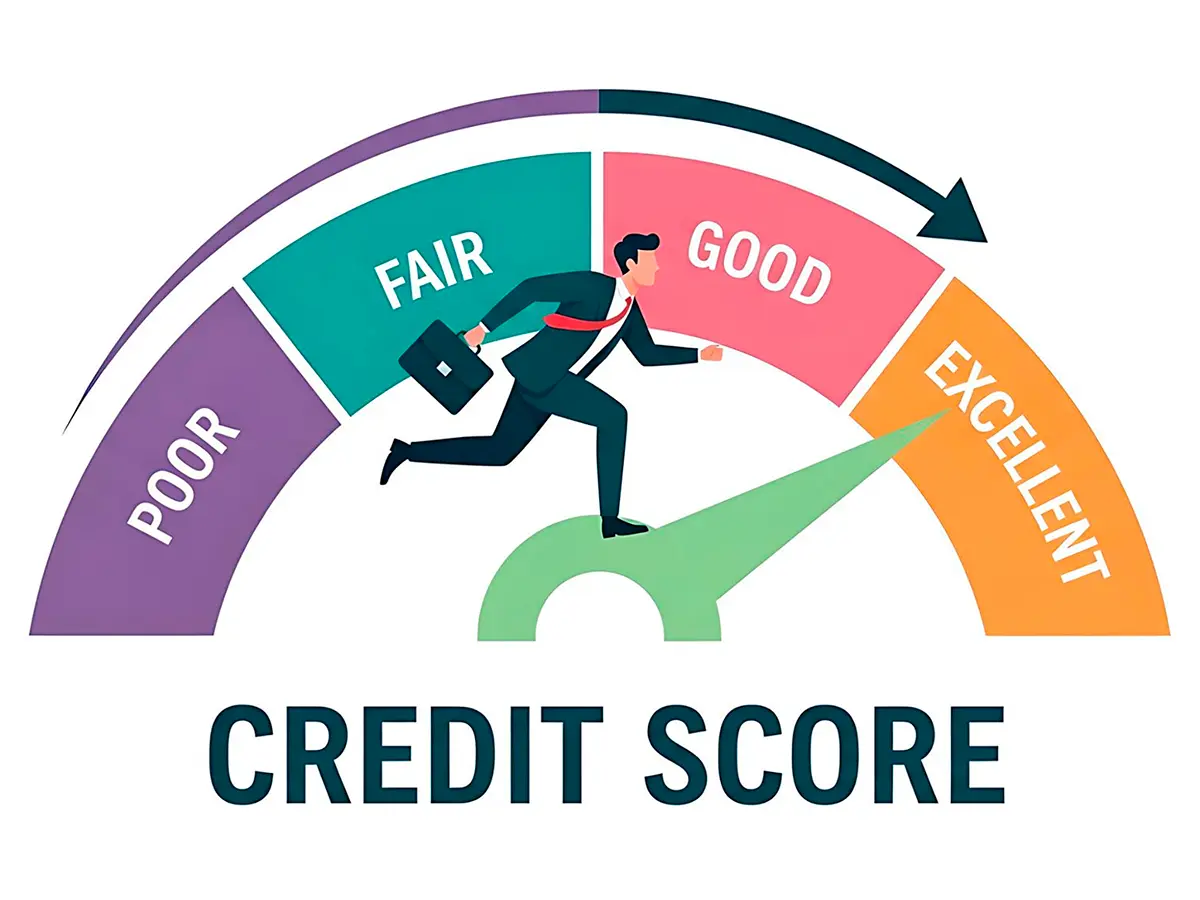
Built around established U.S. credit reporting practices and dispute procedures under the Fair Credit Reporting Act (FCRA). No unrealistic promises—just clarity, documentation, and structured credit improvement.
Unlock more options
Choose the outcome you care about. We’ll outline what improves it—and what to watch for—so you can move forward with confidence.
Your path to stronger credit
A stronger credit profile can mean better approval odds, improved loan terms, and more financial flexibility. Get a clear, no-fluff overview of what credit improvement can help you achieve — then take the next step when you're ready.
Credit decisions in the U.S. are typically influenced by payment history, utilization ratios, account age, recent inquiries, and the accuracy of reporting across major credit bureaus.
Even small inconsistencies can affect lending algorithms. A structured credit improvement approach focuses on verified data, responsible usage patterns, and consistent financial behavior.
*Results vary. This page does not guarantee outcomes.
How it works
A straightforward workflow used by reputable credit‑support programs: review, challenge what’s questionable, and build stronger habits while updates are processed.

Review your starting point
Clarify your goal and look at what’s currently affecting approvals and terms.

Identify what can be challenged
See what information is typically needed, what to expect next, and how the workflow usually looks.

Move forward
Continue to explore available options and take the next step toward better credit outcomes.
credit repair by attorney with a focus on accuracy, leverage, and results
Quality-first credit work means more than mailing form letters. With credit repair by attorney, every dispute and negotiation is grounded in statutes such as the FCRA and FDCPA, backed by evidence, and calibrated to your goals. You're not buying a promise of points; you're investing in compliance, documentation, and leverage that encourages furnishers and bureaus to act correctly.
Where an attorney adds real value
- Identity theft and mixed files: Rapid affidavits, police reports, and targeted disputes to isolate fraudulent or commingled data.
- Public records and complex tradelines: Bankruptcies, judgments, or charge-offs that require precise legal framing.
- Debt collector pressure: Demand letters that halt unlawful contact and set the stage for fair resolution - or damages when violations occur.
- Settlement strategy: Negotiations that weigh tax impact, statute of limitations, and pay-for-delete opportunities (when policies allow).
- Pre-litigation and litigation: If a bureau or furnisher won't fix proven errors, counsel can escalate beyond form disputes.
How the process typically unfolds
- File review and strategy: Full pull of your reports from all three bureaus, matched against your records.
- Evidence building: Statements, receipts, identity documents, police/FTC reports, and call logs assembled into a clean record.
- Targeted disputes: Precise challenges citing inaccuracies, incompleteness, or unverifiability - each with a remedy request.
- Demand and negotiation: Communications with furnishers and collectors for corrections, deletions, or structured settlements.
- Escalation when needed: Regulatory complaints or lawsuits to enforce rights and recover fees or damages when the law allows.
A quick, real-world moment
At a dealership on a Friday, Mia expected a standard rate. A surprise "open collection" pushed her offer sky-high. Her attorney found the debt was paid two years prior and not properly updated. A documented dispute and a short, pointed demand to the furnisher led to a correction the next week. The loan rate didn't become magical - correction, it became fair - saving her hundreds over the term.
Costs, expectations, and outcomes
Expect frank talk about fees - flat, hourly, or limited-scope. No one can guarantee a specific score jump. The credible promise is tighter data integrity, fewer unlawful collections, and smarter settlements. That's the foundation lenders actually read. I almost said "fix" your credit; more precisely, we correct errors, complete files, and enforce rights so risk models see the truest version of you.
What you can do now
- Pull all three reports and highlight items lacking dates, balances, or supporting detail.
- Freeze your credit if identity misuse is suspected; it's reversible and protective.
- Keep a paper trail: letters, emails, payment proofs, and call notes with timestamps.
- Don't casually restart old debts; a small payment can revive limitations in some states.
- Plan utilization: lower card balances before major applications to reduce noise in scoring.
Choosing counsel is a trust decision. Look for specificity, not slogans - sample dispute language, transparency on timelines, and a willingness to say "no" when a tactic risks backfiring. That blend of rigor and restraint is what moves the needle - and keeps it there.
At Credit Repair Lawyers Of America, we are not afraid to stand up to the big credit bureaus and creditors. Our attorneys have filed lawsuits against Equifax, ...
21 reviews and 18 photos of CREDIT REPAIR BY ATTORNEY - CLOSED "As a Real Estate Broker, clients with good credit is important.
Our team of experienced Los Angeles credit repair lawyers is dedicated to the cause of identity theft and credit repair cases, with a proven track record.
Frequently asked questions
A clear next step — without the guesswork
See what’s impacting approvals and what may deserve a closer look.
Understand how disputes are structured and what documentation matters.
Improve utilization, consistency, and long-term credit stability.
See what improving your credit could change
Take a structured next step based on your current profile — and decide with clarity.